

What to Know About Medicare and Weight Loss Drugs
Updated December 29, 2025 with new developments
Weight loss drugs like Ozempic, Rybelsus, and Wegovy have been gaining quite a bit of attention lately.
These medications, part of a newer class called GLP-1s, are helping people shed pounds and improve their health.
They’ve been especially effective for managing conditions like diabetes and are now being more widely discussed as a treatment for obesity.
However, they’re expensive, and Medicare doesn’t fully cover them.
But Medicare’s approach to weight-loss drugs is starting to change. While these medications still aren’t usually covered just for weight loss, new agreements under the Trump administration are expected to expand coverage beginning in 2026.
Join Our Email List
Join our newsletter for weekly emails about senior interest topics like Medicare, health and fitness, gardening, retirement planning, and more!
Sign Up!
What Are Weight Loss Drugs and What Do They Do?
Weight loss drugs, like GLP-1 medications, help people lose weight by affecting how the body processes food and controls appetite.
These drugs work by mimicking a hormone called GLP-1, which helps regulate blood sugar, slow down digestion, and make you feel full longer.
This can lead to eating less and losing weight over time.
The Growing Need for Weight Loss Medications
According to the Centers for Disease Control and Prevention, over 40% of American adults are considered obese.
Obesity isn’t just about weight—it’s linked to serious health problems like heart disease, diabetes, and even certain cancers, and some of the most popular weight loss drugs, like Rybelsus, Wegovy, and Ozempic, have shown great results in helping people lose weight and improve those related health issues.

Scientists are also finding even more potential benefits of GLP-1 drugs. They might help reduce alcohol cravings and improve sleep apnea.
With all this promise, it’s no wonder these medications are getting so much attention.
What Does Medicare Cover Right Now?
Medicare Part B (Medical Insurance) currently covers obesity screenings and behavioral therapy for anyone with a BMI of 30 or higher.
This includes counseling on diet and exercise to help with weight loss.
The sessions must happen with your primary care doctor in their office, so they can coordinate your care and create a personalized prevention plan just for you.
Weight Loss Drugs and Medicare
Right now, Medicare doesn’t cover medications prescribed just for weight loss.
However, if these drugs are prescribed for other conditions like diabetes or cardiovascular disease, you may be able to get them covered under your Part D prescription drug plan. But if they’re only being used for weight loss, they’re not covered.
This leaves many Medicare beneficiaries—many of whom are obese—facing high out-of-pocket costs for these potentially life-changing medications, making them out of reach for some people.

Proposed Changes in Coverage
At the end of President Biden’s term, his administration proposed making weight-loss drugs a covered Medicare benefit for people diagnosed with obesity. The goal was to treat obesity like other chronic conditions, rather than viewing these medications as optional or cosmetic.
In April 2025, the Trump administration decided not to expand Medicare coverage for weight-loss drugs. The only explanation given was that the change was “not appropriate at this time.” Many experts believe the decision was largely tied to the projected cost. Estimates suggested the proposal could have cost taxpayers up to $35 billion over the next decade.
White House officials noted the issue could be revisited in the future and said they would continue reviewing both the benefits of these drugs and their overall costs.
Instead of expanding coverage right away, attention shifted toward lowering drug prices first.
Lower Drug Prices and New Access Through TrumpRx
Later in 2025, a major shift occurred when drug pricing became the focus.
In November 2025, the White House announced new agreements with Eli Lilly and Novo Nordisk—the manufacturers behind many popular GLP-1 drugs—to significantly lower prices for medications used to treat diabetes, obesity, and related conditions.
These lower prices are being made available through a new direct-to-consumer program called TrumpRx, expected to launch in early 2026. The goal is to make these medications more affordable and allow Medicare and Medicaid to cover them at a much lower cost than earlier proposals.
What the New Prices Look Like
Under the new agreements, expected prices through TrumpRx include:
- Ozempic: from about $1,000 per month to around $350 per month
- Wegovy: from about $1,350 per month to around $350 per month
- Zepbound (and orforglipron, if approved): from about $1,086 per month to an average of $346 per month
- If a Wegovy pill or similar oral GLP-1 medications are approved, the starting dose would be priced at about $150 per month
What This Means for Medicare Beneficiaries
These lower prices change what’s possible.
By bringing costs down significantly, Medicare and Medicaid can cover certain obesity medications at a much lower cost to taxpayers than earlier proposals. As a result, Medicare will be able to cover some weight-loss drugs for people with obesity and related health conditions, such as heart disease, for the first time.
For Medicare beneficiaries who qualify, the expected cost would be an estimated $50 monthly copay, instead of paying the full retail price out of pocket.
Pricing and access changes are expected to roll out during 2026. Cash prices through TrumpRx could be available early in the year, with expanded Medicare access expected later on.
What’s Next for You?
For now, Medicare coverage rules haven’t fully changed, but the path forward is clearer than it’s been in years.
Lower drug prices make expanded access possible, and coverage options may increase as these programs roll out.
Because coverage and costs can vary by plan, it’s important to review your Medicare Part D benefits and stay informed as changes develop.
If you have questions about your coverage or want help understanding how these changes may affect you, reach out to your trusted Sams/Hockaday agent. We’re here to help you navigate your options and make informed choices for both your health and your budget.

Schedule an Appointment
Book time right on our agents' calendars using our online scheduling system.
Choose Appointment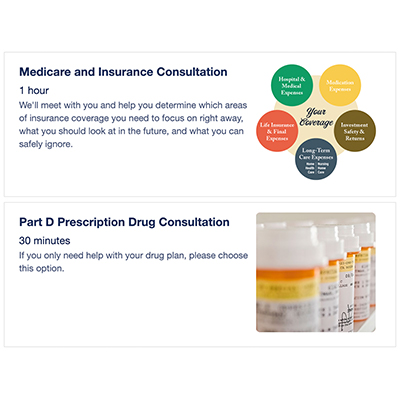
Here's what our clients say…
Meet Our Agents


